
India’s Low-Key Duty Hike on US Yellow Peas Rekindles Trade Friction With Washington
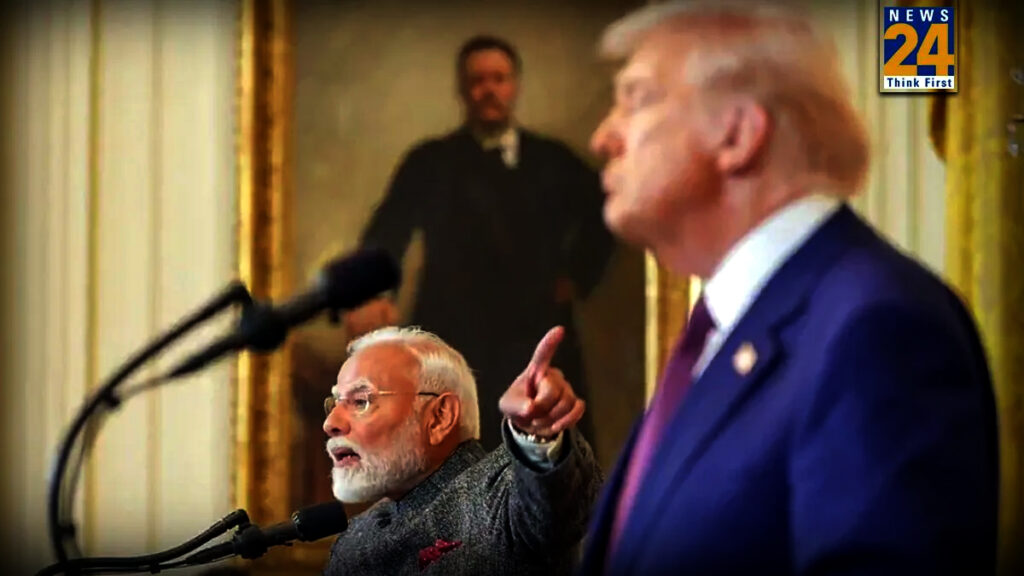
India may have chosen silence over spectacle, but its message appears loud enough to unsettle Washington. A quiet tariff hike on American yellow peas is now emerging as the latest irritant in the already-delicate US–India trade relationship — and former US President Donald Trump finds himself at the centre of it.
In a move that largely escaped public debate at the time, India imposed a 30% import duty on yellow peas from the United States, effective November 1, following an announcement made on October 30 last year. While New Delhi made no noise about the decision, it has now drawn sharp reactions from influential American lawmakers, reigniting trade tensions that never fully cooled.
A Policy Decision That Went Unnoticed — Until Now
The issue resurfaced after Republican Senators Kevin Cramer and Steve Daines, representing pulse-producing states North Dakota and Montana, wrote to Donald Trump on January 16. In their letter, the senators urged him to intervene and push India to roll back what they described as an “unfair” tariff.
According to the lawmakers, the duty has placed US pulse farmers at a severe disadvantage in one of the world’s most important agricultural markets. Their concern is straightforward: Indian tariffs make American produce less competitive, threatening livelihoods in key farming states.
What surprised many observers was how quietly India executed the move. Trade analysts suggest the lack of public messaging reflects New Delhi’s cautious diplomatic approach — responding to US pressure without escalating tensions publicly.
Geopolitical commentators have since framed the decision as a subtle countermeasure to the aggressive tariff regime imposed by the Trump administration during his earlier tenure. As one analyst noted on social media, the response was strategic, restrained, and unmistakably deliberate.
Why Pulses Are a Commodity with High Stakes
The disagreement is anything but symbolic. With almost 25% of the world’s consumption, India is the biggest user of pulses. For millions of households nationwide, yellow peas, lentils, chickpeas, and dried beans are staple foods.
Access to the Indian market is crucial for US states like North Dakota and Montana, which are among the world’s leading producers of pulses. Trade volumes and farmer incomes can be severely disrupted by any barrier, even one that is quietly installed.
The senators drew attention to this disparity by pointing out that although India is mostly dependent on pulses, it nevertheless levies high tariffs on agricultural imports from the United States.
Old Wounds, Known Fault Lines
Pulses have previously caused tensions between Washington and New Delhi. Similar worries emerged during Trump’s first term following India’s 2019 loss of special trade status under the Generalized System of Preferences (GSP).
In fact, the same senators had previously made a direct appeal to Trump, who is said to have personally delivered the letter to Prime Minister Narendra Modi in 2020. During that time, Ahmedabad hosted the highly visible “Namaste Trump” event, which represented warmth but concealed more serious trade disputes.
What This Means for Future Trade Talks
With a comprehensive US–India trade agreement still stuck in limbo, the pulse tariff issue adds another layer of complexity. American lawmakers are now pressing Trump to ensure better market access for US farmers before any broader deal is finalised.
What began as a low-profile policy adjustment has evolved into a diplomatic talking point, raising an uncomfortable question for both sides:
Was India’s tariff hike a calculated act of quiet resistance — or a sign of how fragile the trade relationship remains beneath the surface?